
In This Guide:
Why these terms matter
At BOSCA we support clients at various stages throughout the commercial fit out process. We support projects from the outset or can step in at key stages when design, technical expertise or additional strategic thinking is needed. We understand how daunting it can be for a potential occupier to undertake a commercial fit out project, so we’ve created a short comprehensive guide to key commercial fit out terms to guide you through the process.
Terms like CAT A, CAT A+, CAT B, turnkey and shell and core are often used early in a project, usually before your designer has been appointed. They can help everyone talk about the same broad stages of a space, but they can also create confusion if the actual scope is not clearly defined.
A space described as CAT A in one building may not include the same things as CAT A in another. A ‘move in ready’ workspace may still need additional furniture, data, branding or operational items before a prospective tenant can actually use it.
Shell and core
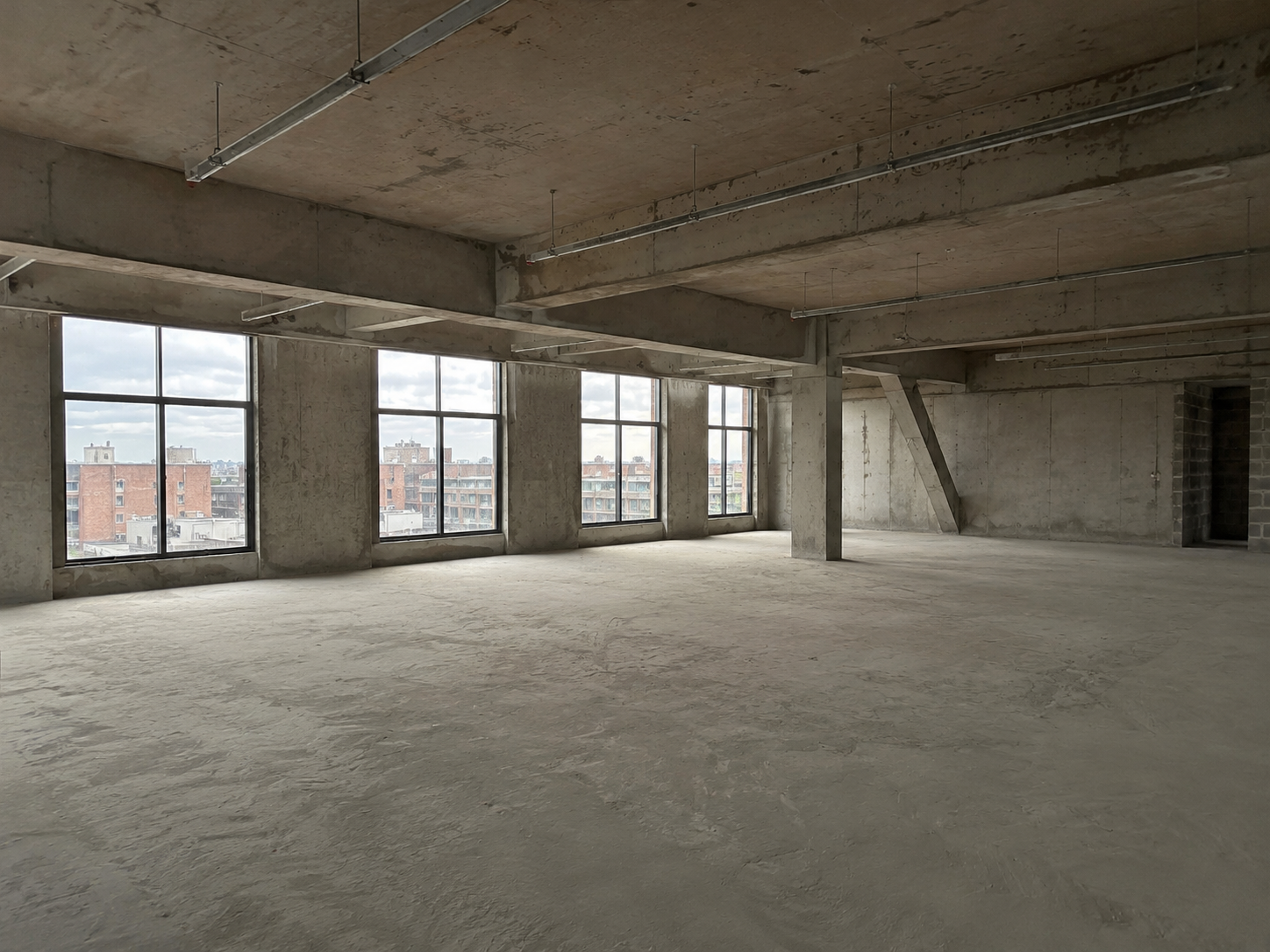
Shell and core usually describes a building or unit that is structurally complete, but not yet fitted out internally for occupation.
It may include the main structure, external envelope, lifts, stair cores, risers and incoming services infrastructure. The individual tenant areas are often left unfinished.
In simple terms, the space exists, but it is not ready to use.
Shell and core is common in new developments, larger commercial buildings, retail units and hospitality spaces where the final occupier will take responsibility for their own fit out.hes, feature lighting, joinery, AV, signage, storage, branding and staff facilities.
08/06/2026
A Simple Guide To: Commercial Fit Out Terms
From CAT A and CAT B to turnkey and shell and core, our short guide breaks down some commonly used commercial fit out terms, what they mean and why they matter.
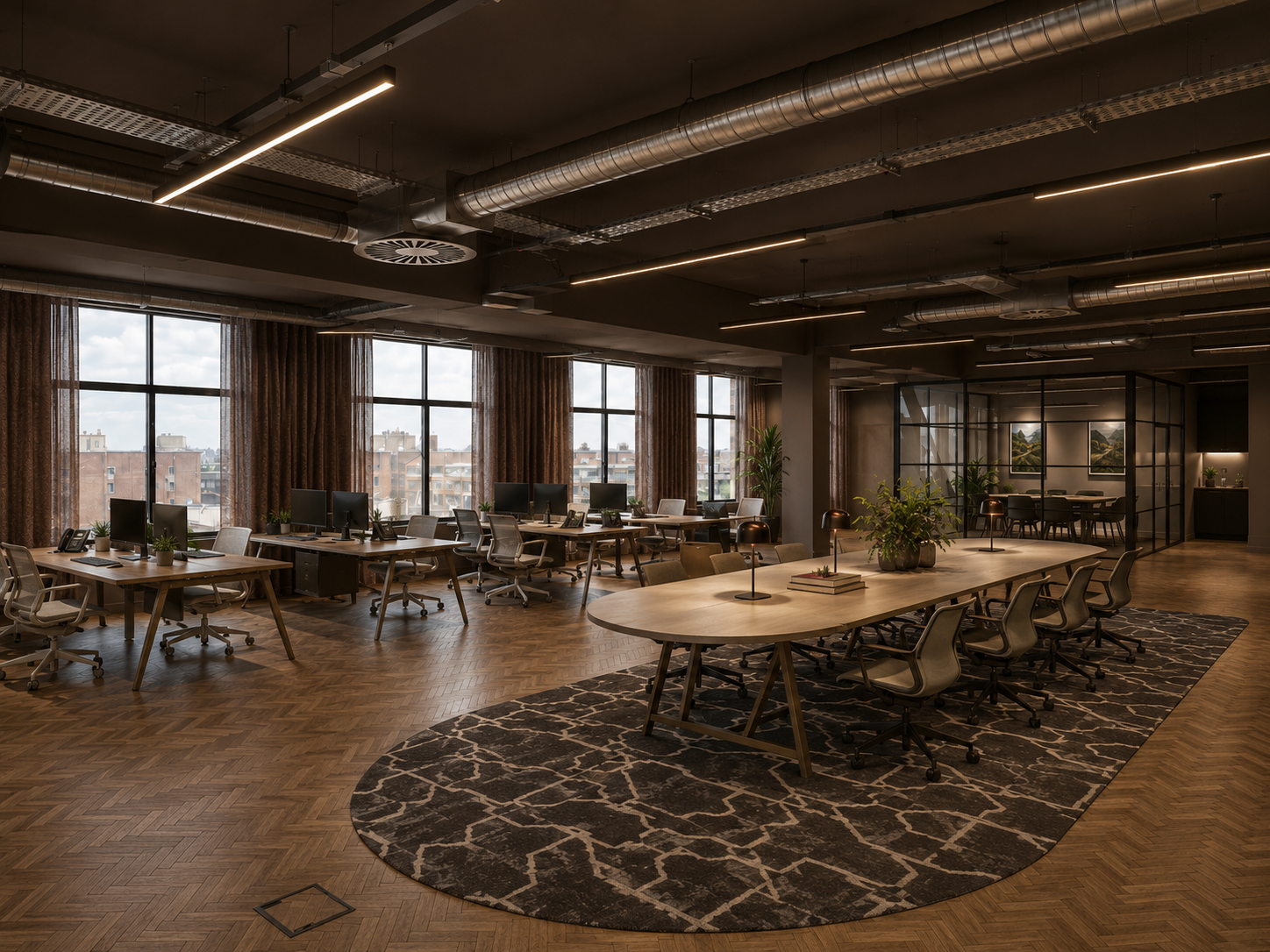
CAT A
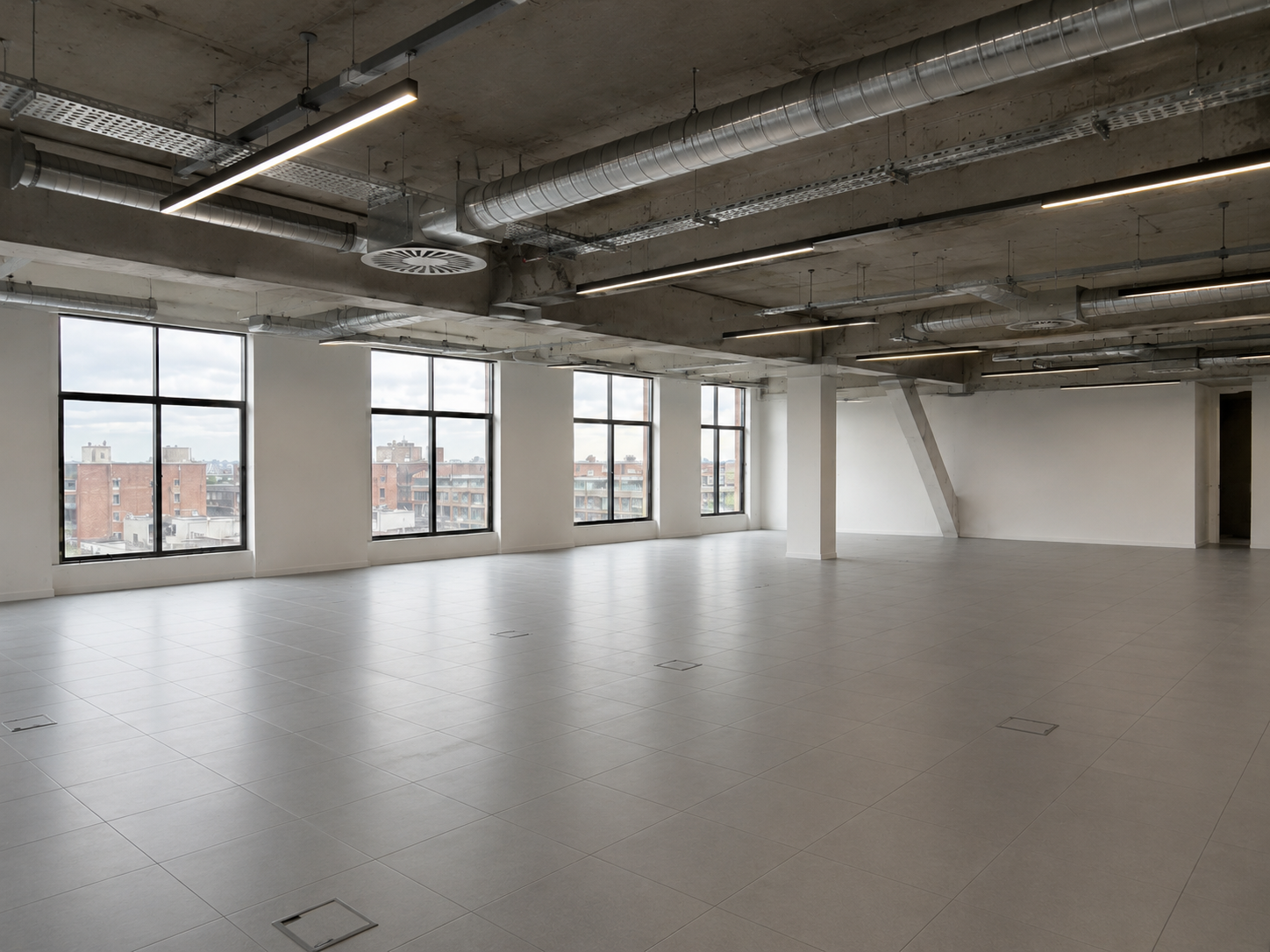
CAT A is usually the landlord’s base finish.
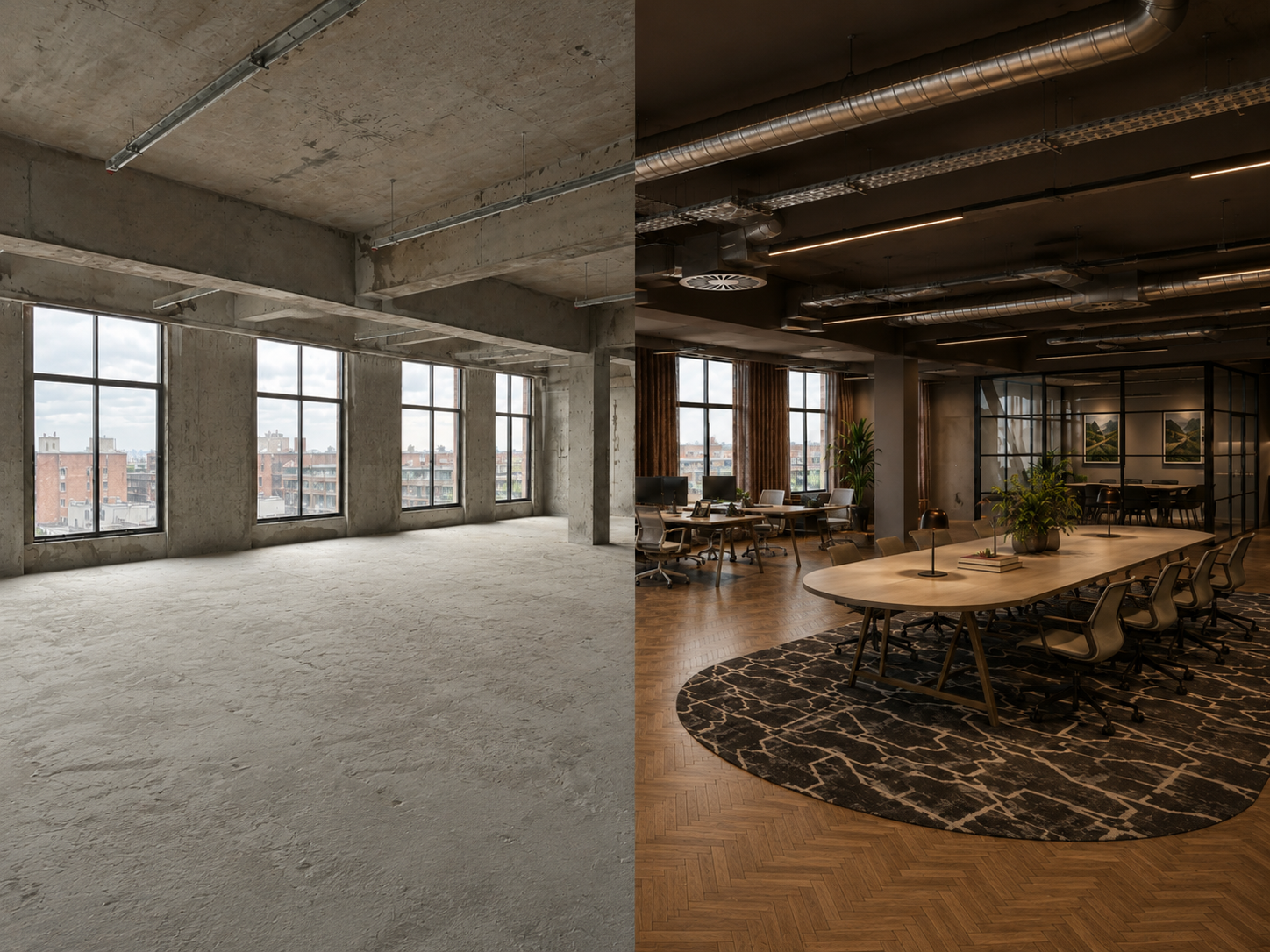
It is intended to make a commercial space lettable and ready for a tenant to fit out. This might include raised floors, ceilings or exposed services, lighting, basic mechanical and electrical services, fire alarm provision, decorated perimeter walls and other landlord finishes.
The exact specification can vary from building to building.
A CAT A space is not usually designed around a specific occupier. It is more of a blank canvas, giving the tenant a clean and functional starting point.
In simple terms, CAT A is generally ready for the next layer of design, but not fully ready for a business to move in and operate.
CAT A+
CAT A+ sits somewhere between CAT A and CAT B.
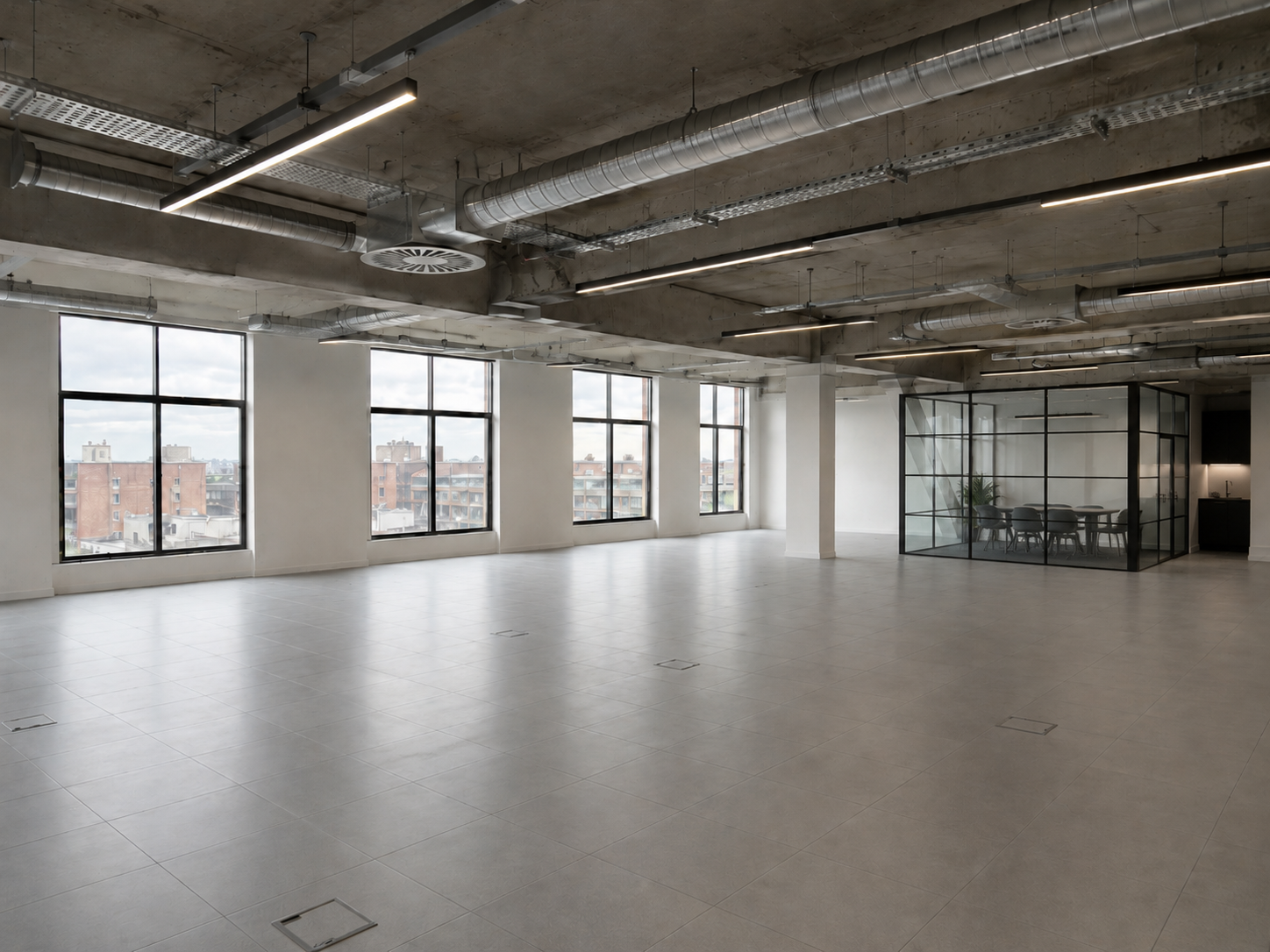
It is usually a more complete landlord fit out, designed to make a space feel closer to occupation. This can be useful for tenants who want a quicker, simpler move, or for landlords who want to reduce the amount of upfront work needed by potential occupiers.
CAT A+ might include meeting rooms, a tea point, floor finishes, desks, chairs, lighting, soft seating, planting and basic power and data provision.
It is often described as plug and play or semi fitted.
This is where the grey area starts. CAT A+ is not always defined in the same way. One landlord’s CAT A+ might be a fully furnished workspace. Another might be a lightly dressed suite with only some basic facilities included.
The key question is not whether a space is called CAT A+. The key question is what is actually included.
CAT B
CAT B is the occupier specific fit out.
This is the layer that makes the space work for the people, brand and operation using it. In an office, that could include the final layout, meeting rooms, furniture, kitchens, tea points, finishes, feature lighting, joinery, AV, signage, storage, branding and staff facilities.
In retail, hospitality or leisure, CAT B may include more specialist design and operational detail, such as customer journey, back of house planning, counters, changing rooms, bars, kitchens, display systems, lighting scenes and brand specific finishes.
CAT B is where the space becomes more tailored.
In simple terms, CAT B is the fit out that turns a space into somewhere specific people can actually use.
A visual guide to how a commercial space can move from base build condition through to an occupier specific fit out.
Turnkey
Turnkey usually means a space is delivered ready to use.
In theory, the occupier should be able to move in, turn the key and start operating.
In practice, it is worth checking exactly what “ready” means. Does it include furniture, IT, AV, signage, accessories, operational equipment, final cleaning, staff areas, storage and brand elements?
Turnkey can be a useful delivery route, especially for clients who want one team to take responsibility for a complete outcome. But the scope still needs to be carefully agreed.
Fitted and Furnished
Turnkey usually means a space is delivered ready to use.
In theory, the occupier should be able to move in, turn the key and start operating.
In practice, it is worth checking exactly what “ready” means. Does it include furniture, IT, AV, signage, accessories, operational equipment, final cleaning, staff areas, storage and brand elements?
Turnkey can be a useful delivery route, especially for clients who want one team to take responsibility for a complete outcome. But the scope still needs to be carefully agreed.